
Whole-Home Remodeling · Boca Raton, FL

Whole-Home Remodeling in Boca Raton

A whole-home transformation in Boca Raton, reimagined room by room with cohesive finishes and refined detailing. Careful sequencing keeps daily life comfortable while your residence is elevated throughout.

Free Quote

Tell us about your project

Prefer to talk it through? Call (561) 726-8817.

Overview

Trusted Whole-Home Remodeling for Boca Raton Homes

At Elite General Contractor Boca Raton we coordinate design, budgeting, permits, construction, and finishing details through one managed process, helping you create a more comfortable and valuable Boca Raton property. Whole-home remodeling in Boca Raton can transform how your property functions, looks, and performs. Whether you are updating a coastal condominium, renovating a single-family home, expanding your living space, or improving a commercial property, you need careful planning, qualified trades, and clear project leadership.

Our 20+ years of experience support a white-glove approach, with transparent proposals, curated materials, organized work areas, proactive communication, and rigorous quality control.

The right project may involve a design-build firm, general contractor, architect, interior designer, specialty trades, or commercial construction team.

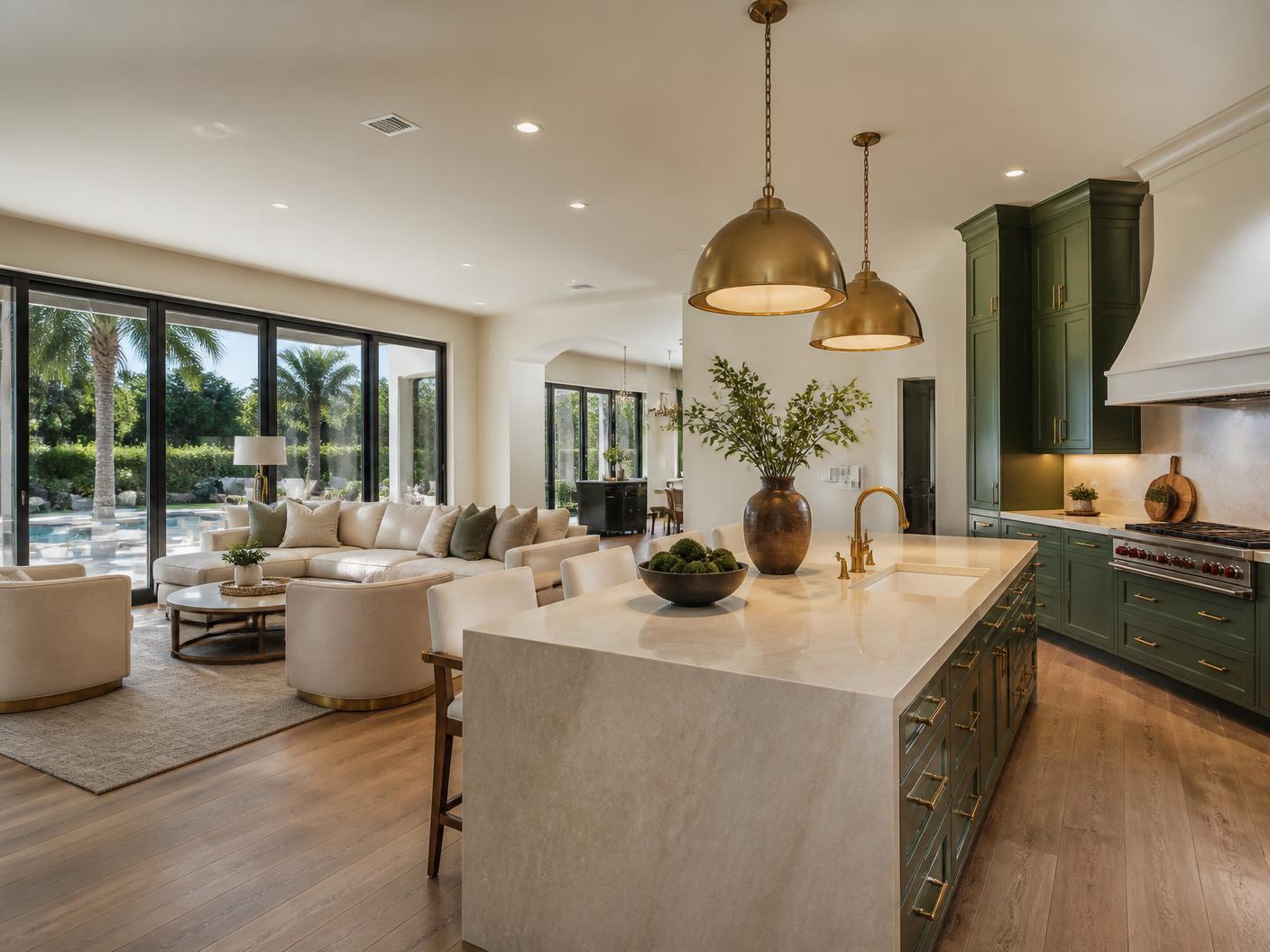
Completed whole-home remodel in Boca Raton with open-plan great room, deep green kitchen cabinetry, limestone island and impact windows

What our white-glove approach includes

  • Transparent proposals
  • Curated materials
  • Organized work areas
  • Proactive communication
  • Rigorous quality control

01

Planning Scope, Design, And Budget

A successful Boca Raton renovation connects priorities, architectural character, HOA rules, permitting requirements, and a realistic financial plan. We define the work before construction, identify decisions that affect cost, and maintain clear documentation from design through final inspection.

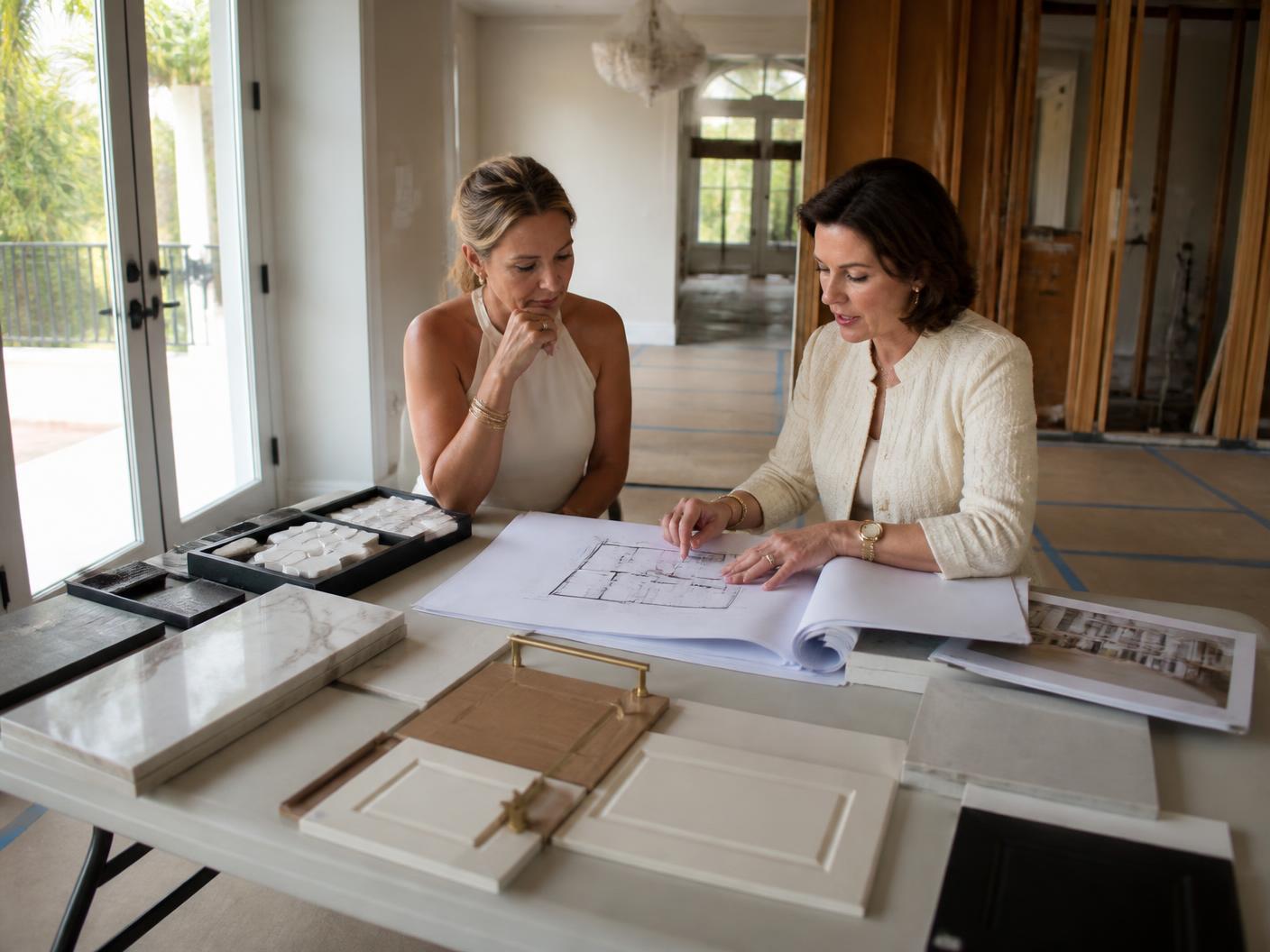
Designer and homeowner reviewing whole-home remodeling floor plans with tile, stone and cabinetry samples in a Boca Raton home under renovation

Defining Whole-Home Renovation Priorities

We begin by separating essential improvements from preference-based upgrades. Structural repairs, electrical capacity, plumbing replacement, roof conditions, hurricane protection, moisture control, and energy efficiency typically require attention before cosmetic work. We then organize kitchens, bathrooms, bedrooms, living areas, outdoor spaces, and accessibility features into logical phases.

A detailed proposal should identify scope, materials, allowances, exclusions, schedule, and payment milestones. Our single-point project leadership keeps design decisions and trade coordination connected, while rigorous quality checks address work at framing, waterproofing, mechanical, and finish stages.

Owners should also decide whether they will remain in the home. In occupied properties, we use protected pathways, organized work zones, daily cleanup, and advance communication to reduce disruption. A trusted network of residential specialists, architects, interior designers, structural engineers, and licensed subcontractors helps manage complex renovations.
Boca Raton Housing Styles And HOA Requirements

Boca Raton includes mid-century homes, ranch-style properties, Mediterranean Revival residences, coastal contemporary houses, condominiums, townhomes, and newer luxury construction. The existing structure influences window proportions, roof design, ceiling heights, exterior materials, drainage, and how new additions should connect to the original building.

HOA and condominium associations may regulate exterior paint colors, windows, roofing, landscaping, construction hours, dumpsters, parking, noise, and material storage. We confirm these requirements before finalizing drawings or ordering custom products. Association approval does not replace permits from the City of Boca Raton or Palm Beach County when county jurisdiction applies.

Projects near the coast may require products and assemblies that meet Florida wind-resistance requirements. Flood-zone status, seawall conditions, setbacks, tree regulations, and stormwater management can also affect site planning. Commercial contractors may be needed for mixed-use, office, retail, or multifamily portions of a property, where accessibility, fire protection, and occupancy rules add further requirements.

Cost Drivers, Permit Fees, And Contingency Allowances

Remodeling costs depend on floor area, structural changes, finish quality, labor availability, engineering, site access, and the age of the home. Kitchens and bathrooms often carry higher costs because they combine cabinetry, tile, waterproofing, plumbing, electrical work, ventilation, and specialty fixtures. Additions, relocations of load-bearing walls, impact-rated openings, generators, pools, and outdoor kitchens can increase the budget substantially.

Permit fees vary by project valuation and the authorities involved. We budget for design services, architectural and structural plans, surveys, engineering, permit applications, inspections, HOA review, temporary protection, disposal, and final cleanup rather than treating them as incidental expenses.

A practical contingency commonly ranges from 10% to 20% for established scope, with older homes and major structural work warranting more. Transparent proposals distinguish fixed selections from allowances, while proactive updates identify price or schedule changes before they become costly surprises.

02

Selecting Contractors And Managing Construction

A successful Boca Raton remodel depends on clear responsibility, verified credentials, coordinated trades, and disciplined project controls. We define the scope, protect the property, document decisions, and track inspections from the first estimate through final closeout.

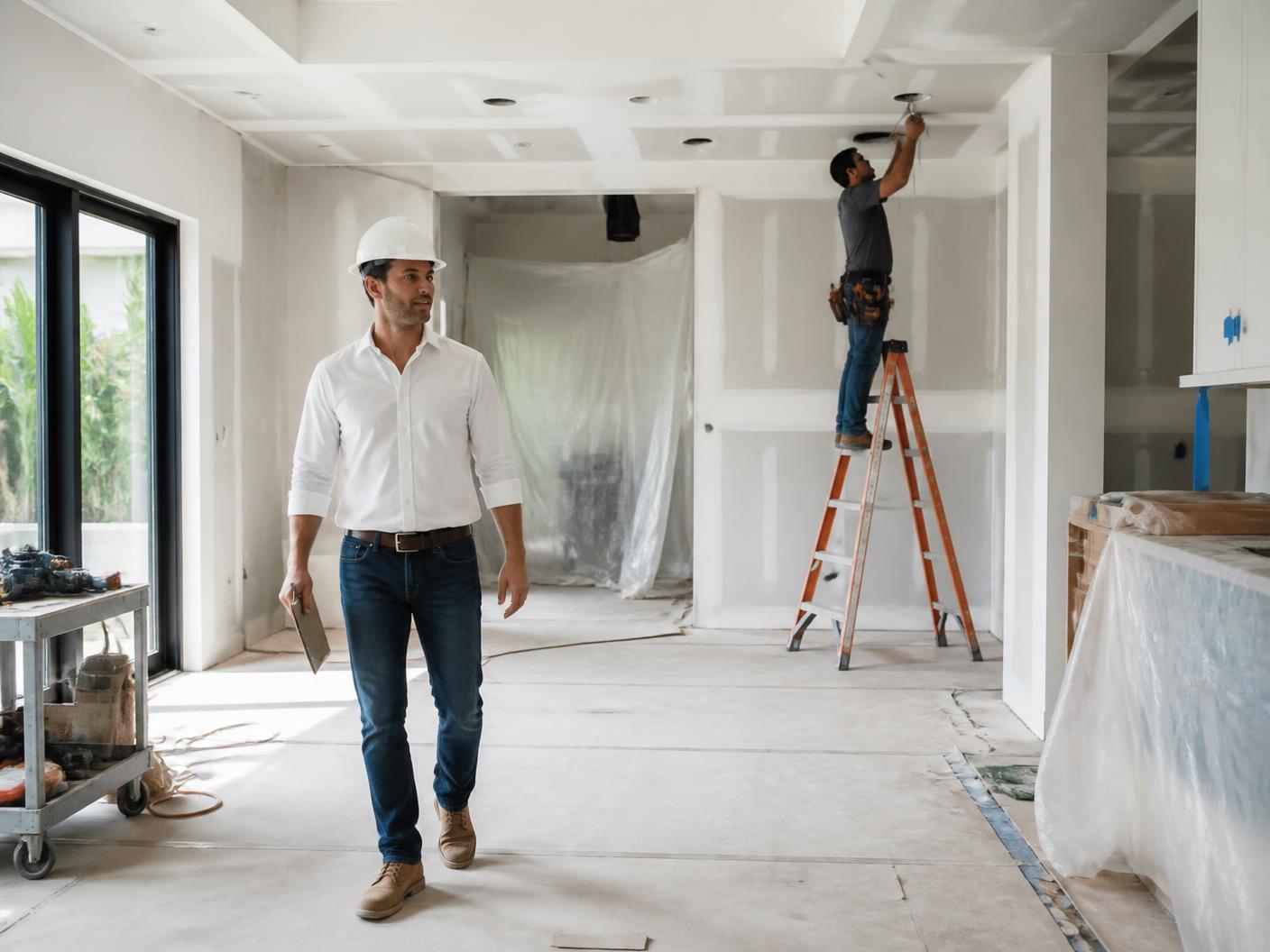
General contractor and electrician managing construction during a whole-home remodel in a luxury Boca Raton residence

General Contractors, Design-Build Firms, And Construction Managers

A general contractor coordinates subcontractors, materials, construction sequencing, and site safety. This structure suits homeowners who already have architectural plans or prefer to hire the designer separately. We recommend comparing proposals by scope, allowances, exclusions, payment schedule, and completion date—not by price alone.

A design-build firm combines design and construction under one contract and one accountable team. That arrangement can reduce conflicts between drawings and field conditions, especially during whole-home renovations involving kitchens, bathrooms, structural changes, or additions. A construction manager may represent the owner, manage bidding and scheduling, and coordinate multiple contractors without performing all construction directly.

Our process emphasizes a detailed proposal, a dedicated project manager, proactive updates, and documented change orders. For occupied homes, we also establish access rules, dust control, daily cleanup, and protection for floors, furnishings, and finished areas.

Specialty Residential And Commercial Contractors

Whole-home projects often require several licensed or qualified specialists. Residential trades may include electricians, plumbers, HVAC contractors, roofers, drywall installers, painters, flooring installers, cabinetmakers, window and door installers, and finish carpenters. Structural modifications may require an engineer, while historic, coastal, or condominium work can involve additional design and approval requirements.

Commercial contractors support offices, retail spaces, restaurants, medical facilities, and mixed-use properties. Their work may include fire-protection systems, accessibility upgrades, commercial HVAC, low-voltage wiring, emergency power, storefronts, and tenant improvements. Commercial projects typically require stricter scheduling, documentation, and coordination with building management.

We use vetted trade partners and assign each scope clear responsibility. Before work begins, we confirm material specifications, installation standards, warranty coverage, and coordination points between trades. This approach helps prevent conflicts such as cabinetry arriving before electrical rough-ins or flooring installation preceding moisture testing.

Florida Licensing, Insurance, And Permit Verification

Florida homeowners should verify a contractor’s license through the Florida Department of Business and Professional Regulation (DBPR) before signing an agreement. We also confirm the license classification matches the planned work and check for active status, disciplinary history, and any limitations. Local requirements may add separate registration or approval obligations.

We request current certificates for general liability insurance and workers’ compensation coverage. Homeowners should confirm that certificates identify the correct business and remain valid throughout construction. For condominium work, we also review association rules, insurance requirements, approved work hours, elevator reservations, and contractor documentation.

Permits commonly affect structural work, electrical systems, plumbing, HVAC, roofing, windows, and additions. We identify the permitting authority, submit complete documents, and keep permit numbers and approved plans accessible. We never treat a permit as optional because unpermitted work can delay inspections, complicate insurance claims, and create problems during resale.

Scheduling, Inspections, And Project Closeout

We build the schedule around long-lead materials, permit approvals, inspections, trade dependencies, and homeowner decisions. Cabinets, windows, specialty fixtures, and custom finishes may require early ordering. A written schedule should identify milestones such as demolition, rough inspections, drywall, cabinetry, finishes, final inspections, and owner walkthroughs.

Florida construction typically requires inspections at designated stages. We coordinate access for inspectors, correct deficiencies promptly, and retain inspection records, approved plans, product approvals, and change orders. Boca Raton projects may also require coordination with the city, Palm Beach County, utility providers, or a condominium association.

At closeout, we prepare a punch list, verify completed work, collect warranties and maintenance information, confirm final approvals, and document unresolved items. Our post-project support includes responsive warranty communication, while rigorous quality checks at critical stages help ensure that finishes, systems, and protective measures meet the agreed specifications.

Frequently Asked Questions

Frequently Asked Questions About Whole-Home Remodeling

Whole-home remodeling in Boca Raton requires realistic budgeting, Florida-licensed professionals, documented insurance, and careful coordination with local permitting authorities. Costs vary by scope and finishes, while return on investment depends on the property, neighborhood, project type, and current market conditions.

What is the average cost to remodel a house in Boca Raton, and how does the 30% remodeling rule apply?

In 2026, Boca Raton remodeling costs commonly exceed national averages because of South Florida labor rates, coastal construction requirements, material logistics, and local demand. A broad planning range may run from approximately $150 to $400 or more per square foot for substantial renovations, with luxury finishes and structural work increasing the total.

A kitchen or bathroom renovation may cost less than a whole-home project, while additions, roof work, impact windows, electrical upgrades, and plumbing relocations can materially increase the budget. We recommend obtaining a detailed proposal that separates design, permits, demolition, labor, materials, structural engineering, and contingency funds.

The 30% remodeling rule generally serves as a budgeting guideline: homeowners should consider whether the renovation cost approaches 30% of the property’s market value. It is not a legal requirement or a guaranteed investment threshold. Local comparables, the home’s condition, financing, intended length of ownership, and neighborhood ceiling matter more than the percentage alone.

Which renovations typically deliver the strongest return on investment in South Florida according to Zonda Media’s Cost vs. Value Report?

Zonda Media’s Cost vs. Value Report regularly shows stronger cost recovery from projects that improve function, durability, curb appeal, or energy performance. National results do not guarantee Boca Raton results, but they provide a useful comparison point.

Projects that often perform well include:

  • Entry-door replacement
  • Garage-door replacement
  • Siding or exterior improvements where applicable
  • Midrange kitchen updates
  • Bathroom improvements
  • Energy-efficient windows
  • Exterior painting and landscape upgrades
  • Converting underused space into practical living areas

South Florida buyers also consider hurricane protection, shaded outdoor living, pool areas, durable flooring, efficient air conditioning, and moisture-resistant materials. We evaluate resale value alongside personal use because a highly customized luxury renovation may recover less of its cost than a well-executed midrange improvement.

What permits, inspections, and hurricane-code requirements does Palm Beach County require for major residential renovations?

Permit requirements depend on the project location and scope. Boca Raton properties may fall under the City of Boca Raton or another local jurisdiction within Palm Beach County, so we verify the applicable building department before work begins.

Projects commonly requiring permits include:

  • Removing or modifying structural walls
  • Adding rooms or enclosed areas
  • Relocating plumbing
  • Altering electrical service or wiring
  • Replacing windows or exterior doors
  • Modifying roofs or structural components
  • Installing new HVAC equipment
  • Renovating kitchens and bathrooms beyond cosmetic work
  • Making changes that affect egress, fire safety, or occupancy

Inspections may cover foundations, framing, structural connections, electrical, plumbing, mechanical systems, insulation, windows, doors, and final completion. The Florida Building Code includes wind-resistance provisions that affect roof systems, openings, attachments, exterior materials, and structural connections, particularly in coastal areas.

We confirm whether the property has municipal, historic, condominium, or homeowners’ association requirements in addition to building permits. We also coordinate required engineering, product approvals, inspection scheduling, and permit closeout rather than relying on informal assurances.

What is the difference between a general contractor, design-build firm, remodeling contractor, and specialty trade contractor?

A general contractor manages construction, subcontractors, scheduling, site coordination, materials, and inspections. On a major renovation, the general contractor typically coordinates electricians, plumbers, HVAC technicians, carpenters, painters, and other licensed or qualified trades.

A design-build firm combines design and construction under one coordinated agreement or organization. This structure can reduce handoff issues because the design team and construction team work from the same scope, budget, and schedule.

A remodeling contractor focuses on renovation work such as kitchens, bathrooms, additions, interior reconfiguration, and whole-home upgrades. Some remodeling contractors hold general contractor licenses; others operate under a narrower license or subcontract portions of the work.

A specialty trade contractor performs a defined scope, such as electrical, plumbing, HVAC, roofing, pools, fire protection, glazing, or commercial kitchen systems. We use properly qualified specialists for regulated work and confirm that their scope matches the permit and contract requirements.

How should homeowners evaluate contractor licensing, insurance, references, and Florida DBPR records before signing a contract?

Homeowners should search the contractor or company through the Florida Department of Business and Professional Regulation (DBPR) and verify the license status, license type, expiration date, disciplinary history, and listed business information. The license should cover the proposed work and match the contracting entity named in the agreement.

We also recommend requesting current certificates of:

  • General liability insurance
  • Workers’ compensation coverage
  • Commercial automobile insurance when relevant
  • Builders risk coverage when required by the contract

References should include projects similar in size, age, finish level, and complexity. We ask past clients about schedule accuracy, change orders, communication, cleanup, warranty response, inspection coordination, and final quality rather than relying only on photographs.

A detailed contract should identify the scope, allowances, payment schedule, permits, start and completion targets, change-order process, lien releases, warranty terms, cleanup responsibilities, and dispute procedures. Our process emphasizes transparent proposals, one project leader, proactive updates, protected work areas, daily cleanup, staged quality checks, and post-project support.

Which commercial contractors are qualified to renovate offices, retail spaces, restaurants, medical facilities, and multifamily properties in Boca Raton?

Commercial renovations require a contractor with experience in the property’s use, code requirements, tenant coordination, and operational constraints. An office contractor may focus on partitions, ceilings, lighting, data systems, accessibility, and mechanical balancing, while a retail contractor must also manage storefronts, signage, customer circulation, and landlord standards.

Restaurant renovations often require specialized coordination for commercial kitchens, grease-management systems, exhaust hoods, fire suppression, plumbing capacity, gas systems, health-department requirements, and equipment installation. Medical facilities can require controlled finishes, accessibility, infection-control procedures, specialized electrical systems, medical gases, and strict shutdown planning.

Multifamily projects may involve occupied units, common areas, elevators, fire-alarm systems, life-safety systems, building-envelope work, and phased resident access. We look for a commercial general contractor or construction manager with relevant completed projects, appropriate Florida licensing, qualified subcontractors, documented safety procedures, and experience coordinating with owners, architects, engineers, landlords, municipalities, and inspectors.

The right construction partner helps you make informed decisions about materials, timelines, budgets, inspections, and the specialists your Boca Raton project requires.

Request a Free Quote